

389.90€
359.90€
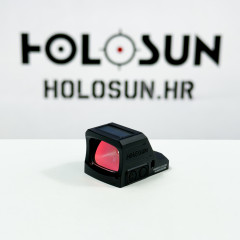
419.90€
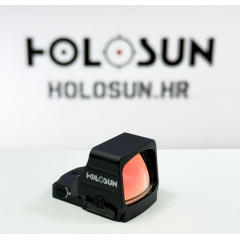
369.90€
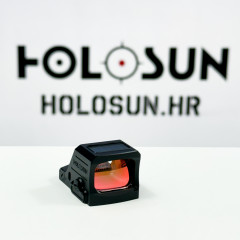
319.90€
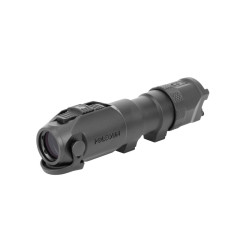
589.00€
389.90€
489.90€
359.00€
309.00€
525.99€
442.00€
472.00€
Holosun New Releases 2026 – Smarter Optics, Faster Performance
The Holosun 2026 lineup introduces a new generation of optics focused on real-world usability, faster target acquisition, and smarter automatic adjustments.
This category features the latest Holosun models, including compact pistol optics, competition-ready red dots, advanced rifle sights, hybrid systems, and new magnifiers—each designed to improve performance without adding unnecessary complexity.
Next Generation Optics Starts Here
Holosun DPS-TH – Thermal Meets Reflex Sight
One of the most advanced optics in the 2026 lineup, the DPS-TH combines a traditional red dot sight with a real-time thermal overlay—bringing entirely new capabilities to a familiar platform.
Unlike standard optics, this system allows you to detect heat signatures while maintaining fast, intuitive aiming.
Key advantages:
* Real-time thermal overlay with multiple viewing modes
* Smooth 50 FPS display for responsive image processing
* Multi-Reticle System (MRS) for flexible aiming
* Built on a proven compact footprint
Best for:
* Low-visibility environments
* Advanced users and professionals
* Users exploring next-generation optic technology
This is where traditional red dot sights evolve into something more.
What’s New in Holosun 2026?
The biggest shift in 2026 is not just new models—but smarter functionality across the entire lineup.
Key innovations include:
* Forward-facing light sensors for more accurate automatic brightness
* Larger viewing windows for faster target transitions
* Simplified product lines (clear choice between simple vs advanced optics)
* New competition-focused designs (COMP series)
* Expanded Solar Charging and energy-efficient systems
Unlike traditional systems, many 2026 models adjust brightness based on the target area, not the shooter’s position—resulting in a more natural and usable sight picture.
Top New Holosun Models 2026
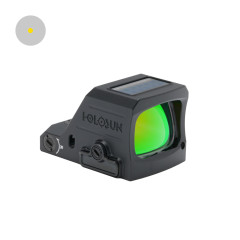
Holosun AEMS-MICRO / AEMS-MACRO – Compact Optics, Smarter Control
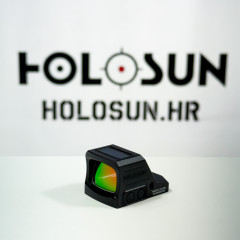
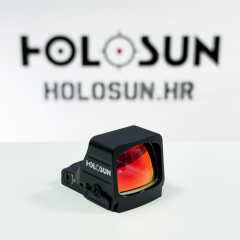
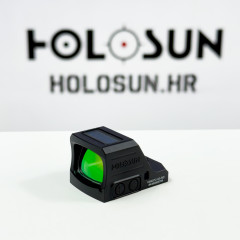
A new compact platform designed for modern pistol setups, combining size, durability, and intelligent brightness control.
Key advantages:
* Ultra-compact and lightweight
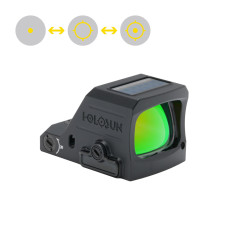
* Multi-Reticle System (MRS)
* Forward-facing light sensor for accurate brightness adjustment
* Solar Failsafe™ and Shake Awake™
Best for:
* Compact and full-size pistols
* Users who want reliable auto-brightness in real conditions
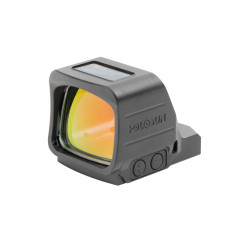
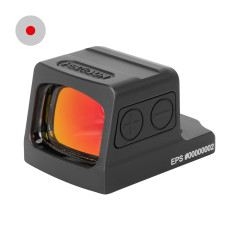
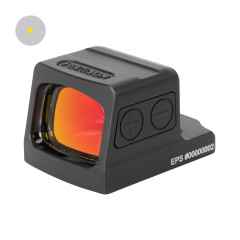
Holosun EPS-CORE – Bigger View in a Compact Format
A refined compact optic with an enlarged lens, offering a better field of view without increasing size.
Key advantages:
* Larger sight window in slim housing
* Forward-facing light sensor
* Up to 50,000 hours battery life
* Lightweight and low-profile
Best for:
* Everyday carry
* Users upgrading from smaller optics
Holosun 507C-X3 – Proven Platform, Upgraded
A redesigned version of a popular model with improved ergonomics and smarter brightness control.
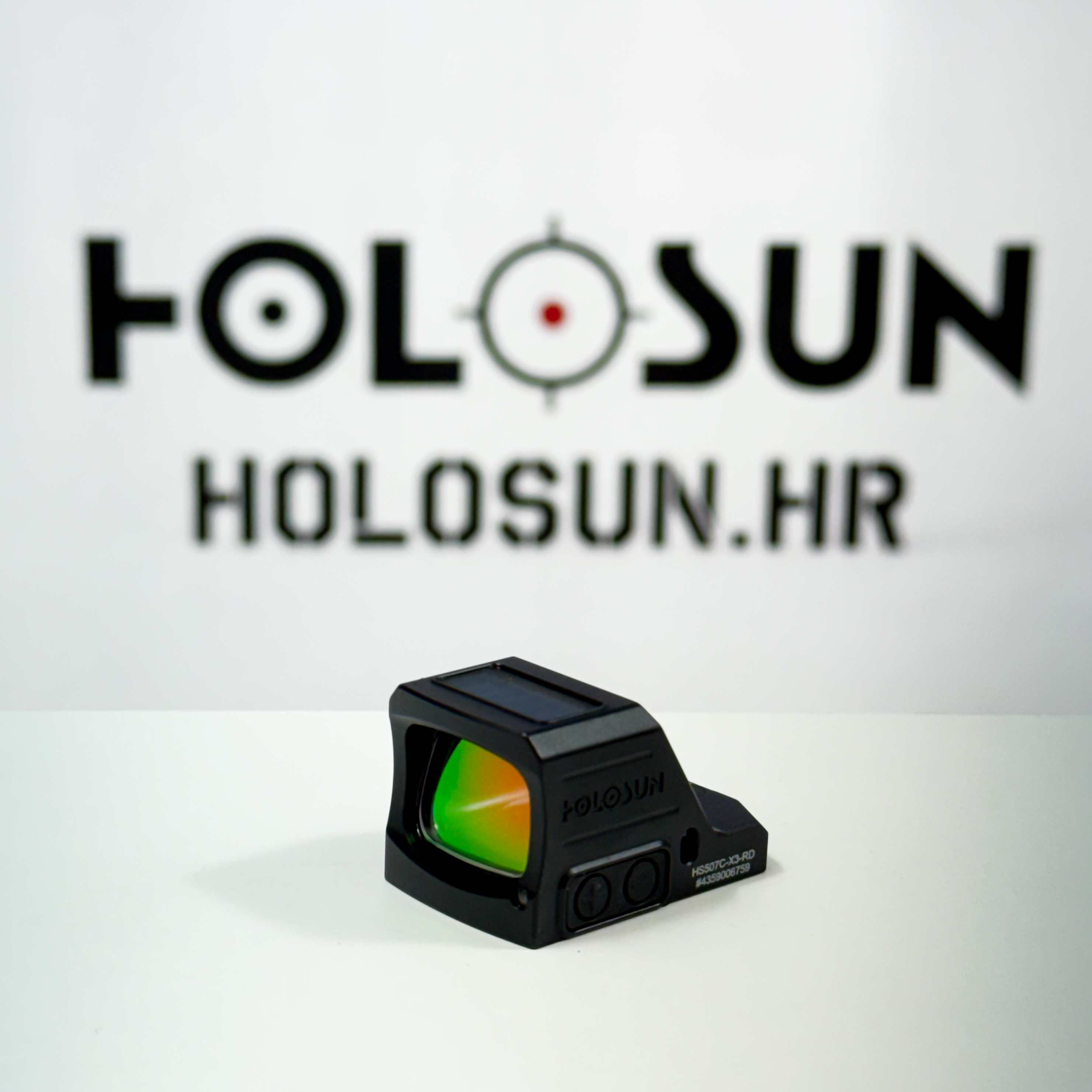
Key advantages:
* Multi-Reticle System (MRS)
* Forward-facing photodiode for dynamic brightness
* RMR footprint compatibility
* Clean, modern housing
Best for:
* Full-size pistol setups
* Users who want versatility
Holosun 407C-X3 – Simplicity That Sells
A streamlined version of the X3 platform focused on ease of use and fast decision-making.
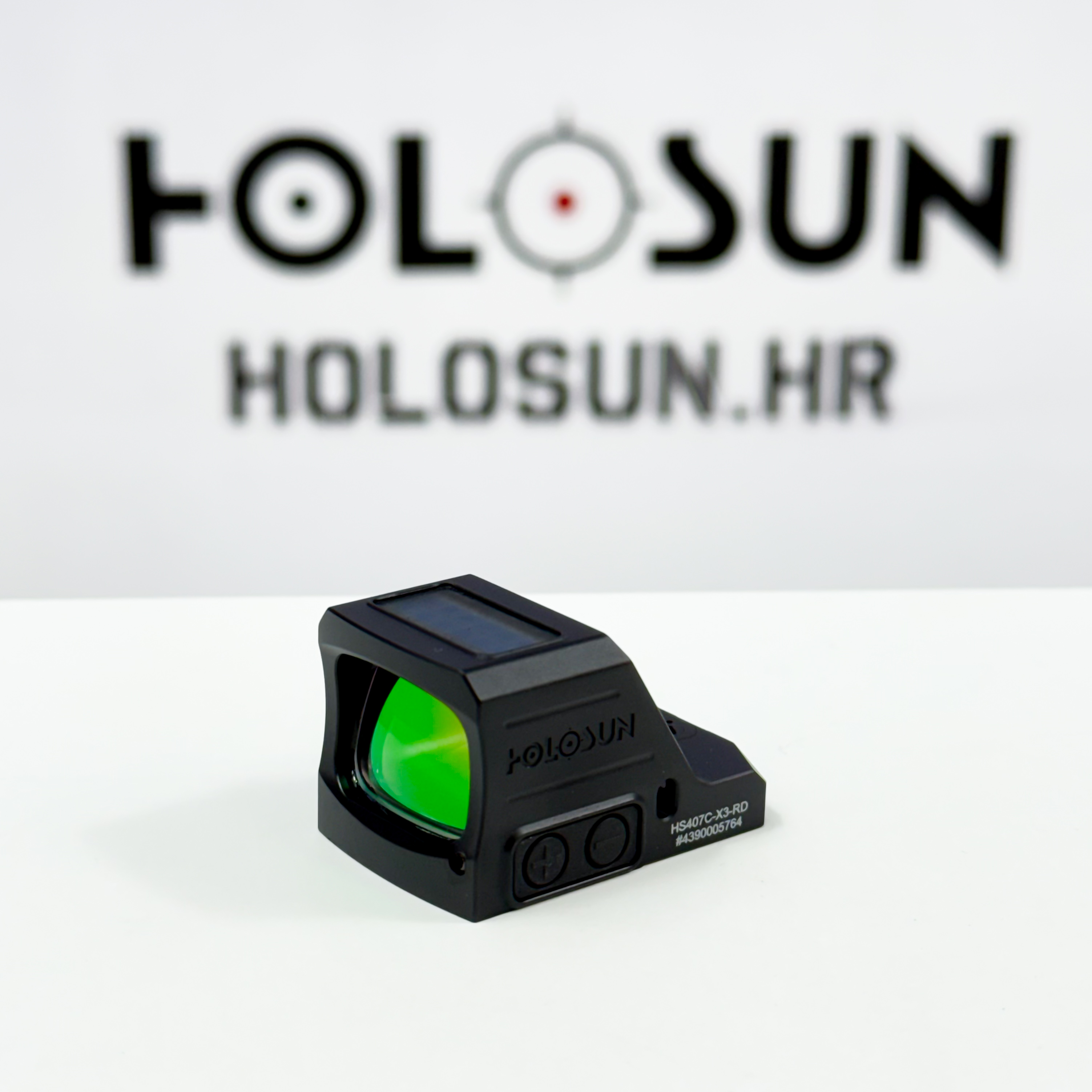
Key advantages:
* 2 MOA dot (no extra settings)
* Forward-facing light sensor
* Long battery life (up to 100,000 hours)
* Updated durable housing
Best for:
* Everyday carry
* Users who prefer simple, reliable optics
Holosun 507-PROMAX – Maximum Visibility
Built for performance shooting with a significantly larger viewing window and enhanced reticle system.
Key advantages:
* Extra-large window for faster transitions
* Performance Reticle System (PRS)
* Reduced glare with forward-leaning design
* High visibility in dynamic environments
Best for:
* Sport shooting
* Fast-paced scenarios
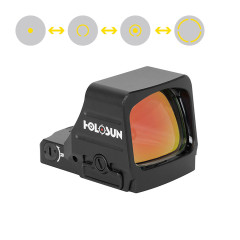
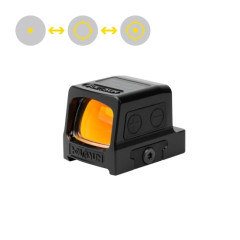
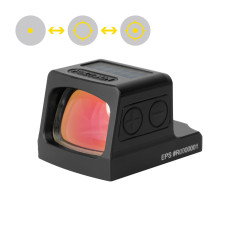
Holosun 407COMP / 507COMP – Competition Ready Optics
407COMP – simplicity & speed
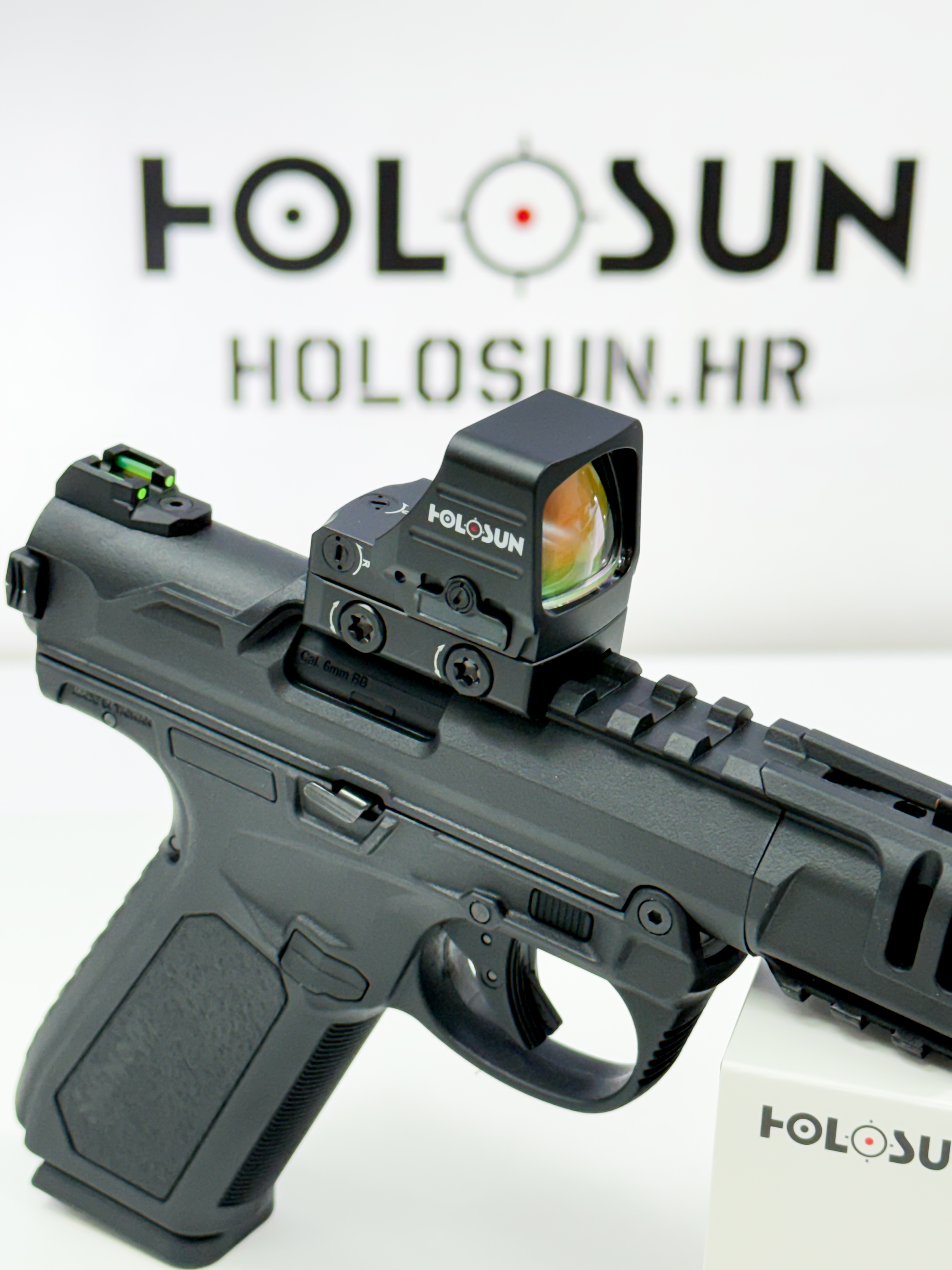
* Large window
* 6 MOA dot for fast acquisition
* Minimal setup, maximum usability
507COMP – control & flexibility
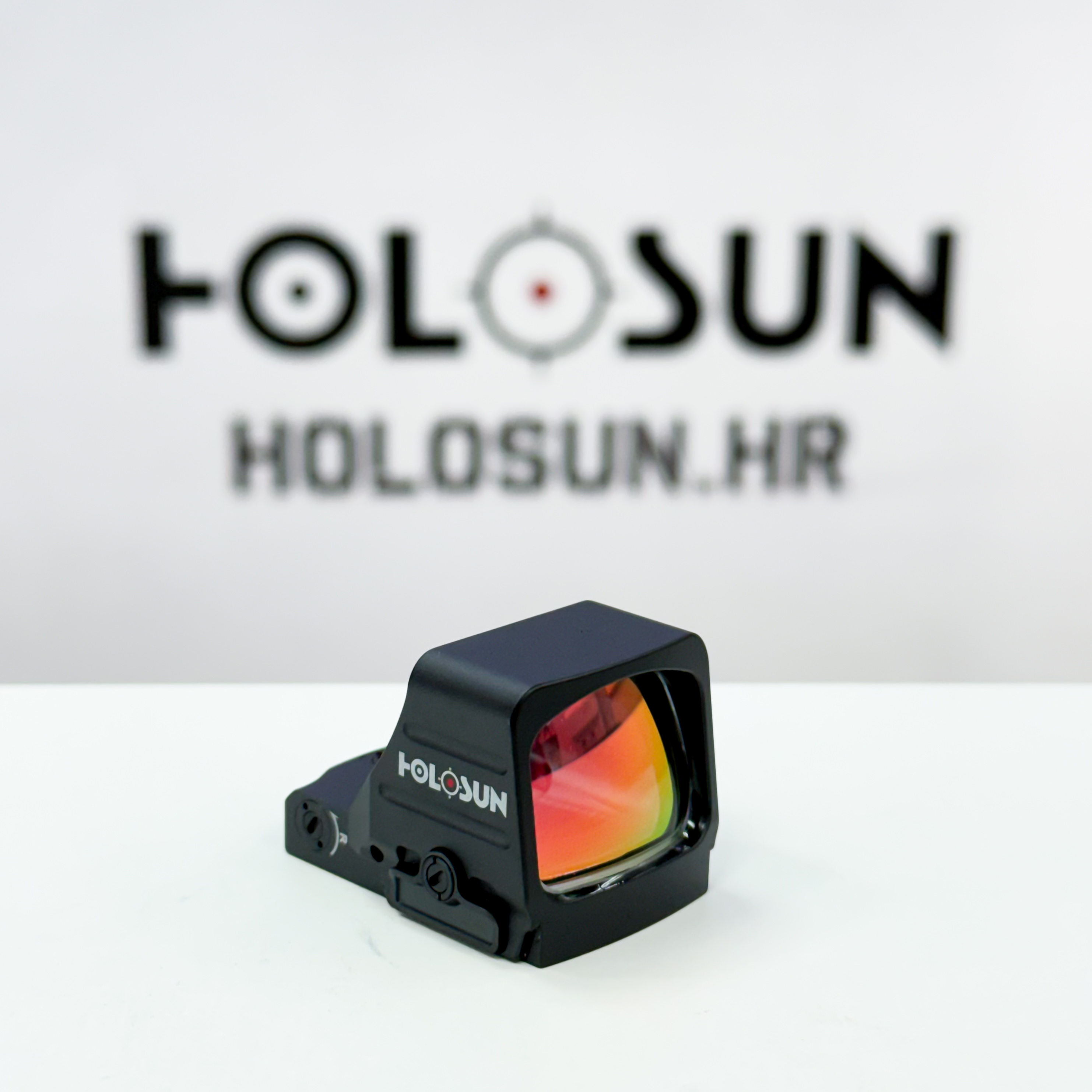
* Competition Reticle System (CRS)
* Multiple reticle options (8 / 20 / 32 MOA circle)
* Designed for advanced users
Best for:
* Competitive shooting
* Users optimizing speed vs control
Holosun AEMS-EVO – Rifle Optic Evolution
An upgraded rifle optic with a larger viewing window and improved brightness adaptation system.
Key advantages:
* Enlarged field of view
* Forward-facing light sensor
* Multi-Reticle System
* Up to 100,000 hours battery life
Best for:
* Rifle platforms
* Users needing reliable performance in changing light
Holosun SCRS – Solar Charging Rifle Sight
A compact tube-style optic with integrated solar charging and multi-directional sensors.
Key advantages:
* Internal rechargeable battery
* Multi-sensor automatic brightness
* Compact 20mm tube design
* Up to 20,000 hours runtime
Best for:
* Lightweight rifle setups
* Low-maintenance users
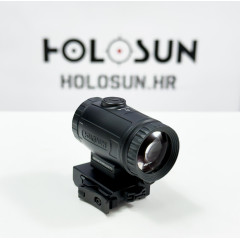
Holosun Magnifier Micro – Compact Expansion of Your Setup
A new generation of compact magnifiers designed to work seamlessly with modern reflex sights.
Key advantages:
* Compact and lightweight
* Quick transition between magnified and standard view
* Improved clarity and alignment
* Ideal pairing with 2026 optics
Best for:
* Flexible setups (close + mid-range)
* Users who want modular systems
Why Choose Holosun 2026 Optics?
Holosun’s latest generation focuses on solving real user problems:
* Better visibility in changing light
* Faster aiming with larger windows
* Less need for manual adjustments
* Clear product segmentation (simple vs advanced vs competition)
Explore the Latest Holosun Innovations
The 2026 collection reflects a shift toward smarter, more adaptive optics—from cutting-edge hybrid systems to refined everyday solutions.
Browse the newest arrivals and find the optic that fits your setup.
FAQ – Holosun 2026 Technology Explained
How does the forward-facing light sensor work?
A forward-facing sensor measures light in front of the optic—toward the target. Unlike traditional systems that read light from the shooter’s position, it adjusts brightness based on the actual lighting conditions where you are aiming.
This results in a more natural-looking reticle and reduces the need for manual adjustments.
Why is a forward-facing sensor more accurate in real-world use?
Standard rear-facing sensors often struggle when lighting conditions differ between the shooter and the target—for example, when you are in shade aiming into bright sunlight.
A forward-facing sensor eliminates this mismatch by adapting to the light at the target, providing a more consistent and visible aiming point.
How is automatic brightness improved in 2026 models?
The latest models combine forward-facing sensors with improved brightness control algorithms. This allows faster, smoother adjustments when lighting conditions change—such as moving from indoor or shaded areas into bright environments.
The result is a more stable and reliable experience during dynamic use.
What is the difference between Solar Failsafe™ and Solar Charging?
Solar Failsafe™ uses ambient light to support operation and assist with brightness adjustment, while still relying on a traditional battery.
Solar Charging systems feature an internal rechargeable battery that is continuously powered by light, reducing or eliminating the need for battery replacement.
Do solar-powered optics require maintenance?
Solar Charging optics are designed for low maintenance. The internal battery recharges through everyday exposure to light, so users rarely need to think about power management.
This makes them especially practical for long-term, uninterrupted use.
How does the thermal overlay work in the DPS-TH?
The DPS-TH combines a standard red dot sight with a real-time thermal imaging layer. This allows users to detect heat signatures while maintaining a familiar aiming experience.
It adds situational awareness without complicating operation.
When is thermal overlay most useful?
Thermal technology is most effective in low-visibility environments—such as darkness, fog, or low-contrast conditions.
It helps identify objects that are difficult to distinguish with conventional optics.
Do larger viewing windows improve performance or just comfort?
Larger windows improve both. They make it easier to acquire the reticle quickly and track targets during fast transitions.
At the same time, they provide better situational awareness by allowing the user to see more of the environment.


